Heater Font: Elevating Handmade Labels and Packaging
There is a specific moment in the product creation process where everything clicks. For me, it usually happens late at night at my desk, surrounded by test prints, wax samples, and half-finished packaging prototypes. I was recently rebranding my small-batch candle line and struggling to find a typeface that felt authentic. I needed something that didn't look like a generic computer font but also wasn't so messy that customers couldn't read the scent name on a curved glass jar. That was when I started testing Heater. As I typed out "Wild Fig & Cedar" and watched the elegant, handwritten strokes appear on my screen, I knew this script amp font was going to change how my products looked and felt.
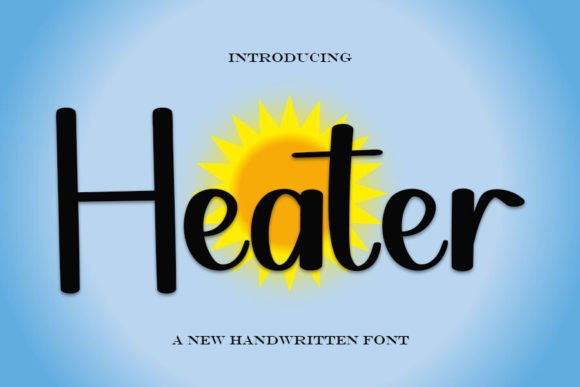
Heater is described as a neat and beautiful handwritten font with an elegant touch, and in practice, it delivers exactly that promise. It strikes a difficult balance for makers: it has the organic warmth of hand-lettering without sacrificing the legibility required for commercial goods. When you are selling physical items or digital downloads, typography is not just decoration; it is a silent salesperson. This typeface brings a timeless style that suggests care and intention, which is precisely what handmade buyers are looking for when they pick up a product or scroll through a listing photo.
Designing Product Labels That Actually Sell
The true test of any creative font is how it performs on actual merchandise. In my studio, I used Heater to redesign my entire candle label system. The challenge with jar labels is the limited real estate and the curvature of the glass. A display font that looks gorgeous on a flat mockup can become illegible once wrapped around a container. Heater’s distinct letterforms held up beautifully at smaller sizes. The connections between letters are smooth but not overly loopy, preventing ink bleed issues when printing on textured paper or vinyl stickers.
Beyond candles, this font has proven incredibly versatile for other handmade categories. If you create boutique clothing tags or linen stamps for tote bags, the weight of Heater provides enough presence to be seen without overpowering the fabric texture. For pottery makers stamping clay or creating packaging for ceramics, the organic flow complements natural materials perfectly. It transforms a simple product tag from a functional necessity into a branded experience. When a customer receives a package tied with twine and a tag featuring this premium font, the perceived value of the item instantly increases because the typography signals professional craftsmanship.
Stationery, Invitations, and Digital Printables
While physical products require durability, stationery and digital designs demand emotional resonance. I recently used Heater for a suite of wedding welcome signs and table cards. In the world of invitation design, trends come and go, but this typeface feels rooted in classic editorial design while remaining fresh. It works exceptionally well for names, titles, and short phrases. On a welcome board, the script acts as a visual anchor, drawing the eye immediately to the couple's names before guiding guests to the secondary information.
For printable creators and Etsy sellers offering digital templates, Heater is a powerhouse asset. When designing planner pages or wall art quotes, readability is paramount. Many script fonts fail in digital formats because they are too thin or intricate to print clearly at home. Heater maintains its integrity whether printed on a high-end laser printer or a standard home inkjet. I have found it particularly effective for seasonal printables, such as holiday gift tags or Valentine’s Day cards, where the mood needs to be warm and inviting. Because it pairs so well with modern typography, you can create cohesive template packs that appeal to a broad audience without needing to purchase multiple expensive add-ons.
Mastering Font Pairing and Hierarchy
A common mistake makers make is letting a beautiful script do too much heavy lifting. Heater shines brightest when it is allowed to be the star of specific elements rather than the entire paragraph. In my packaging design workflow, I treat Heater as the display font for the product name or the primary greeting. For ingredient lists, instructions, or body text, I pair it with a clean sans serif font or a simple serif font. This contrast creates a professional hierarchy that guides the customer’s eye naturally.
- For Candle Labels: Use Heater for the scent name and a minimalist sans serif for the burn time and safety warnings.
- For Wedding Stationery: Apply Heater to the couple’s names and headers, using a traditional serif for venue details and dates.
- For Tote Bags and Apparel: Let Heater handle the main slogan or brand name, keeping any supporting text in a bold, blocky typeface for maximum contrast.
- For Social Media Graphics: Use the script for the hook or headline in your Instagram stories, ensuring the caption remains in a highly readable web-safe font.
This strategic pairing not only improves aesthetics but also ensures accessibility. Customers should never have to squint to understand what you are selling or saying. By reserving Heater for moments of emphasis, you preserve its special charm and prevent visual fatigue.
Practical Tips for Cutting Machines and Production
For crafters using Cricut or Silhouette machines, the technical performance of a font is just as important as its beauty. Intricate scripts can be a nightmare to weed if the lines are too thin or the internal spaces too tight. Heater is designed with production in mind. The stroke width is consistent enough to cut cleanly on adhesive vinyl, heat transfer vinyl (HTV), and cardstock. However, as with any handwritten font, testing is essential. Always run a test cut on scrap material before committing to a full batch of stickers or shirt transfers.
If you are creating small stickers or detailed packaging seals, consider adjusting the tracking slightly. While Heater connects beautifully at standard spacing, increasing the size or giving the letters a tiny bit more breathing room can improve adhesion on curved surfaces. For mug wraps and tumblers, ensure you are using the correct file format. SVG files generally yield the best results for cutting machines, preserving the smooth curves of this elegant touch without pixelation. Always verify that your design software recognizes the ligatures and alternates included with the font, as these features often contain the most stunning swashes that elevate a simple word into a logo-quality graphic.
Licensing and Commercial Considerations
Before integrating Heater into your shop, take a moment to review the licensing terms. As a business owner, protecting your work means respecting the intellectual property of fellow creatives. Ensure you have the appropriate commercial license for your intended use, whether that is selling physical end-products, editable templates, or digital printables. Most premium font licenses distinguish between selling a finished candle with a printed label versus selling a Canva template where the end-user manipulates the text. Understanding these distinctions keeps your shop safe and supports the type designers who create these incredible tools.
Ultimately, choosing a typeface like Heater is about more than just picking pretty letters. It is about defining the voice of your handmade business. Whether you are embossing leather journals, printing artisanal soap wrappers, or designing a new collection of digital planners, this font offers a blend of personality and professionalism that is hard to find. It turns the act of reading into an aesthetic experience, helping your products stand out in a crowded marketplace. When your typography feels as intentional as your craftsmanship, customers notice, and that connection is what builds a lasting brand identity.